
Top 10 Puppy Training Mistakes to Avoid (And What to Do Instead)
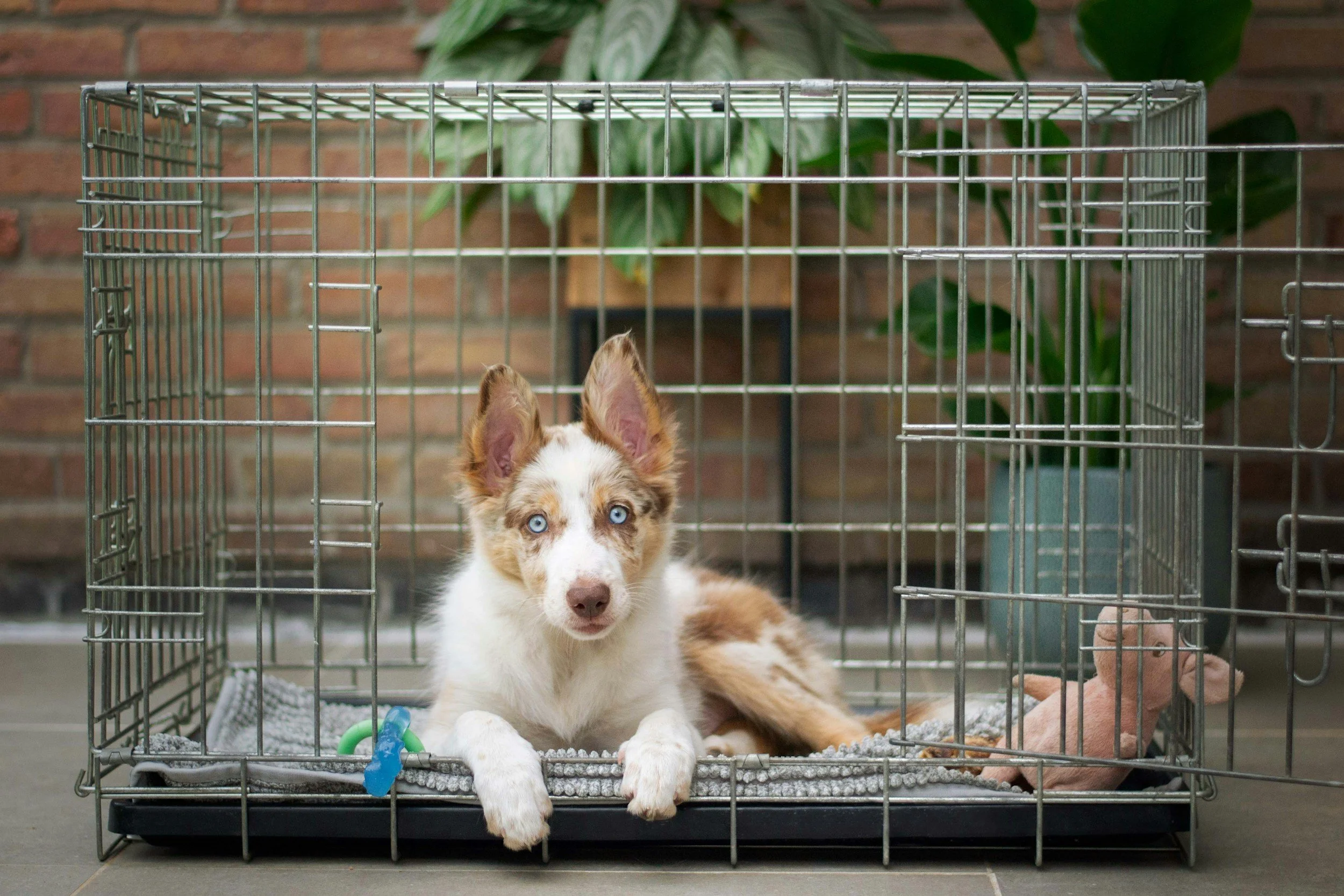
Bringing home a new puppy is pure joy … or pure chaos if you’re not prepared! Those first weeks shape everything—your puppy’s behavior, habits, confidence, and your long-term relationship together.
Most new puppy parents mean well but inadvertently create conditions that lead to unwanted habits: jumping on people, destructive chewing, potty accidents, excessive barking, separation anxiety, reactivity, over-arousal, and more.
The good news? Nearly all of it is preventable with the right structure and a solid puppy training foundation.
Here are the top 10 puppy training mistakes to avoid, plus simple strategies to raise a confident, well-adjusted puppy from day one.
1. Letting Your Puppy “Figure It Out” Alone
Many new puppy owners assume their pup will naturally grow out of behaviors like nipping, barking, jumping, or ignoring cues. The truth? Puppies grow into whatever they practice—good or bad.
What to Do Instead:
Supervise closely to catch and interrupt unwanted behaviors before they become habits
Redirect your puppy toward appropriate activities (for example, if they start chewing your shoe, offer a chew toy instead)
Reward the behaviors you want so your puppy learns what is expected
Use crates, pens, and leashes indoors to manage freedom safely
Keep training short, upbeat, and fun to build engagement and clarity
Tip: Intentional training early on prevents major frustrations later. Redirection is your main tool for guiding your puppy toward making better choices. Equip yourself with the right tools and a simple training plan from day one.
2. Giving Too Much Freedom Too Soon
Unsupervised roaming, unlimited greetings, and free-for-all play feel cute—until chaos becomes a habit.
Why It’s a Problem
Too much freedom causes:
Chewing and destruction
Ignoring cues, like coming when called (recall)
Potty accidents that may continue into adulthood
Over-arousal at inappropriate times (like when walking on a leash)
Unsafe interactions, like jumping and nipping
What to Do Instead
Grant freedom gradually, paired with structure and supervision. This means keeping your puppy on a leash indoors or in a playpen or crate, so you can prevent unwanted behaviors—like jumping on people, nipping at hands and clothes, pottying in the wrong spot, ignoring your call, or chewing on furniture, wires, or belongings—before they start.
With this approach, you can guide your puppy toward desirable behaviors and appropriate activities whenever they’re roaming free.
3. Allowing Rehearsals of Unwanted Behavior
Jumping, barking, or chewing shoes isn’t “naughty” from your puppy’s perspective. It’s simply rehearsal—practicing a behavior they enjoy, even if you don’t.
And rehearsal builds habits. The key to instilling good habits is to make sure your puppy is practicing the behaviors you want, rather than the ones you don’t.
What to Do Instead
Prevent access to temptations by puppy-proofing your home.
Redirect early, before the whirlwind begins, steering your puppy toward preferred activities
Train and reinforce desirable behaviors, like sitting instead of jumping, so your puppy understands the correct response
Keep environments simple and success-oriented—don’t place your puppy in a position to make the wrong choice
Leash indoors and out when needed. A behavior your puppy can’t practice never becomes a problem
Tip: Early management and clear guidance make it easier for your puppy to learn the behaviors you want and prevent frustration for both of you.
4. Ignoring the Emotional Meaning Behind Behavior
All behavior is communication. Instead of viewing unwanted behavior as “bad,” ask what your puppy is saying.
Examples:
Nipping = overtired or overstimulated, lack of training
Barking = frustration, excitement, concern, or stress
Chewing = boredom or unmet enrichment needs
Zoomies = over-arousal
What to Do Instead
Ask Yourself: “What does my puppy need right now?”
Use your observations to adjust rest, enrichment, training, or the environment accordingly. Familiarizing yourself with dog body language will help you understand what your puppy is trying to communicate, so you can respond in ways that meet their needs and prevent unwanted behaviors.
5. Skipping Socialization or Doing It Incorrectly
Puppy socialization isn’t about meeting every dog and person. It’s about positive, controlled exposure to everyday sights, sounds, environments, and situations.
Shy or wary puppies benefit from short, strategic exposures that are gentle and positive.
Confident or outgoing puppies may need more management to prevent over-excitement, which can lead to undesirable reactivity.
What to Do Instead:
Keep outings short and positive to avoid overwhelming your puppy
Pair new experiences with treats or play, especially for shy or wary puppies
Choose environments where you can control outcomes, rather than creating chaotic situations
Avoid dog parks for young puppies; instead, arrange one-on-one playdates
Tip: Good socialization builds confidence—not overwhelm. Flooding your puppy with too many new experiences at once can create fear or negative associations. It’s far better to introduce new things in brief, tolerable doses than to push past their comfort zone.
6. Underestimating the Power of Enrichment
A bored puppy becomes a creative puppy… and not always in ways you’ll enjoy. Just like a child with nothing to do, a puppy left without proper outlets may invent their own fun, often leading to destructive or nuisance behaviors that are hard to change later.
Healthy Enrichment Ideas:
Sniffing and nosework games to fulfill natural instincts and strengthen your bond
Food-dispensing toys to keep your puppy busy and mentally stimulated
Safe, supervised shredding with sanctioned items like cardboard or recyclables
Tug, fetch, and training games to expend energy and create connection
Rotating chew items like stuffed Kongs, Toppls, or digestible chews such as bully sticks or beef cheeks
Tip: Enrichment satisfies biological needs and prevents destructive habits. Using food-stuffed toys and structured activities teaches your puppy to self-entertain in healthy ways—especially useful when you can’t spend time directly interacting with them.
7. Relying on Punishment Only to Stop Behaviors
Punishment—like scolding or long timeouts—without showing your puppy what to do instead doesn’t teach alternative behaviors. Instead, it often creates fear, anxiety, or avoidance, which can worsen unwanted behaviors over time. Short, calm timeouts paired with redirection are far more effective than isolating your puppy too long.
What to Do Instead:
Use management tools like leashes, crates, and playpens to prevent mistakes
Reinforce desired behaviors heavily, so your puppy clearly understands what’s expected
Interrupt and redirect before your puppy spirals, or remove them from situations they aren’t ready for
Communicate with clarity and kindness, using praise, affection, and treats to reinforce good choices
Tip: Punishment-only strategies create confusion and slow your puppy’s learning. Focus on guiding your puppy toward appropriate choices, setting them up for success, and using positive, game-based training. This approach builds obedience, confidence, and emotional stability—qualities you want to foster in your adult dog.
8. Being Inconsistent With Rules and Routines
Puppies thrive on predictable patterns. Inconsistent rules create confusion, insecurity, and frustration, making it harder for your puppy to learn what’s expected.
What to Do Instead:
Set clear household rules early, such as no begging at the table or no jumping on furniture
Ensure all family members follow the rules to prevent mixed messages
Reinforce your puppy immediately for making the right choices so they understand which behaviors are valued
Adopt a behavior management plan that sets your puppy up for success, even if it requires more supervision early on
Tip: Consistency builds confidence and calm behavior. By clearly defining expectations and sticking to them, you help your puppy grow into a well-behaved, emotionally stable adult dog.
9. Misusing the Crate (or Avoiding It Entirely)
A crate is one of the most powerful tools for:
Potty training
Separation prep
Safety
Calmness
Travel and vet visits
… But only when used correctly.
What to Do Instead
Introduce the crate with fun Crate Games
Pair it with relaxation, comfort, and rewards, such as mealtimes, enrichment toys, or chew items
Use it sparingly as a timeout or not at all if your puppy strongly dislikes it
Build duration gradually—start with short periods in sight and slowly work toward brief absences
Tip: Dogs have natural den instincts, so a properly introduced crate can act as your puppy’s personal den. It provides a safe place to relax and stay out of trouble when unsupervised. A crate-trained puppy becomes more adaptable and secure, learning to self-entertain and cope with separation from an early age.
10. Forgetting That the First 16 Weeks Matter Most
The first 16 weeks of your puppy’s life are critical. This early developmental window shapes their emotional resilience, lifelong habits, and your bond.
What to Do Instead:
Build a simple daily structure that balances periods of activity with downtime in a crate or playpen
Incorporate short training games, particularly around mealtimes or when establishing new habits
Practice controlled socialization that creates positive associations with new people, dogs, and environments, without overwhelming your puppy or making them too excited
Provide quality enrichment to fulfill your puppy’s needs and encourage good habits
Maintain predictable routines, so your puppy knows what to expect, helping them stay calm when needed
Set clear boundaries to prevent unwanted behaviors and mixed messages
Reinforce good choices and calm, desirable behavior both during supervised free time and while in confinement
Tip: Investing time and energy now can save you headaches later. A little intentional guidance during this critical period can prevent years of behavioral challenges. The best time to start training is the moment your puppy comes home.
Final Thoughts
Every puppy has the potential to grow into the dog of your dreams. The secret isn’t hoping they’ll “grow out of” unwanted behaviors—it’s training with intention from day one.
By focusing on structure, enrichment, and short, fun, game-based training, you can prevent common puppy problems while building a bond rooted in trust, clarity, and connection.
Your future once-in-a-lifetime dog starts with the choices you make today. If you’re feeling unsure or struggling with training, book a consultation now to get expert guidance and set your puppy on the path to success.

About the Author: Certified Dog Trainer, Alexandra Bassett
Alexandra Bassett, CPDT-KA, is the founder and head dog trainer at Dog Savvy, a private dog and puppy training company specializing in game-based dog training and positive training solutions for issues such as dog separation anxiety, leash reactivity, excessive barking, and aggression.
She is certified as Knowledge Assessed by the Council of Professional Dog Trainers (CPDT-KA) and is available for private in-home dog training in Salt Lake City and private online dog training sessions via Zoom.
👉 Need help fast? Click here to book an online intro session today!