

Welcome to Our Blog
Bringing Home a New Puppy: Avoid These 10 Common Training Mistakes
Bringing home a new puppy is exciting—but it’s also a crucial time to prevent bad habits before they start. Many common behavior problems like barking, pulling, and separation anxiety can be avoided with the right structure and training early on. Here are the top 10 puppy training mistakes to avoid and exactly what to do instead.

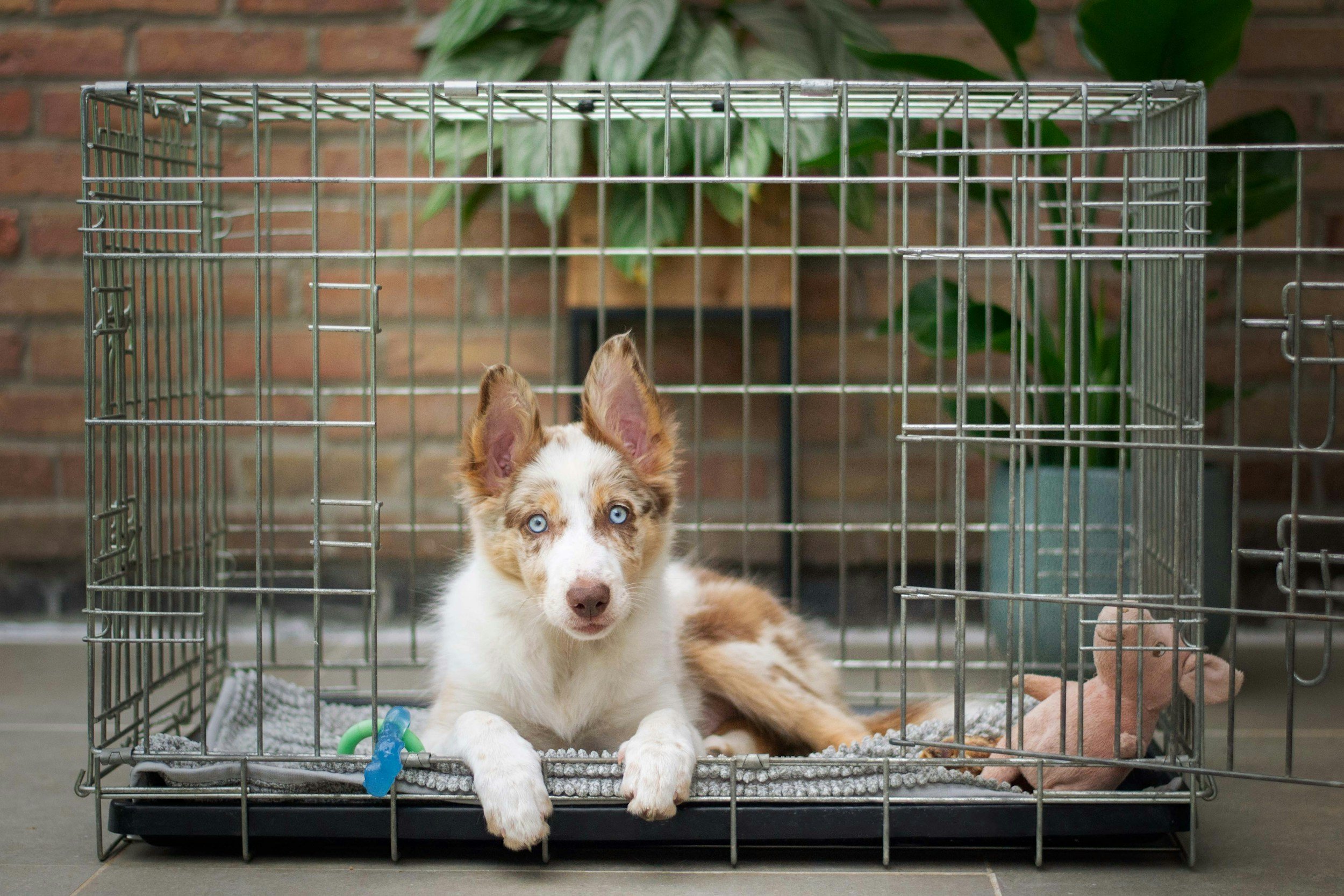
Should You Let Your Puppy Cry It Out in the Crate?
Should You Let Your Puppy Cry It Out in the Crate? No—at least, not always. A few minutes of mild whining can be normal as your puppy adjusts to crate training, but prolonged or panicked crying can lead to fear, crate aversion, or early separation anxiety. If your puppy settles within 5–10 minutes, it’s usually okay to give them space. If they escalate, show signs of distress (panting, trembling, escape attempts), or refuse food, step in with gentle reassurance. Use gradual, positive crate training to build confidence, pairing the crate with comfort, enrichment, and calm routines.

How to Bond with Your New Puppy: 11 Expert Tips for Instant Connection
Fostering a strong bond with your new puppy is one of the best ways to turn them into a dream companion.
Building a bond can begin from the moment you pick your pup up and bring it home, so being prepared and knowing how to make your puppy’s first experiences with you the best they can be can help you bond with them.
Here are our top 10 tips for how to build an instant bond with your new puppy starting on day one.

How to Introduce a New Puppy to Your Current Dog
Ready to introduce your new puppy to your current dog? Before you do, read this article to guarantee a flourishing bond between your two pups.
How To Prevent Separation Anxiety in Dogs
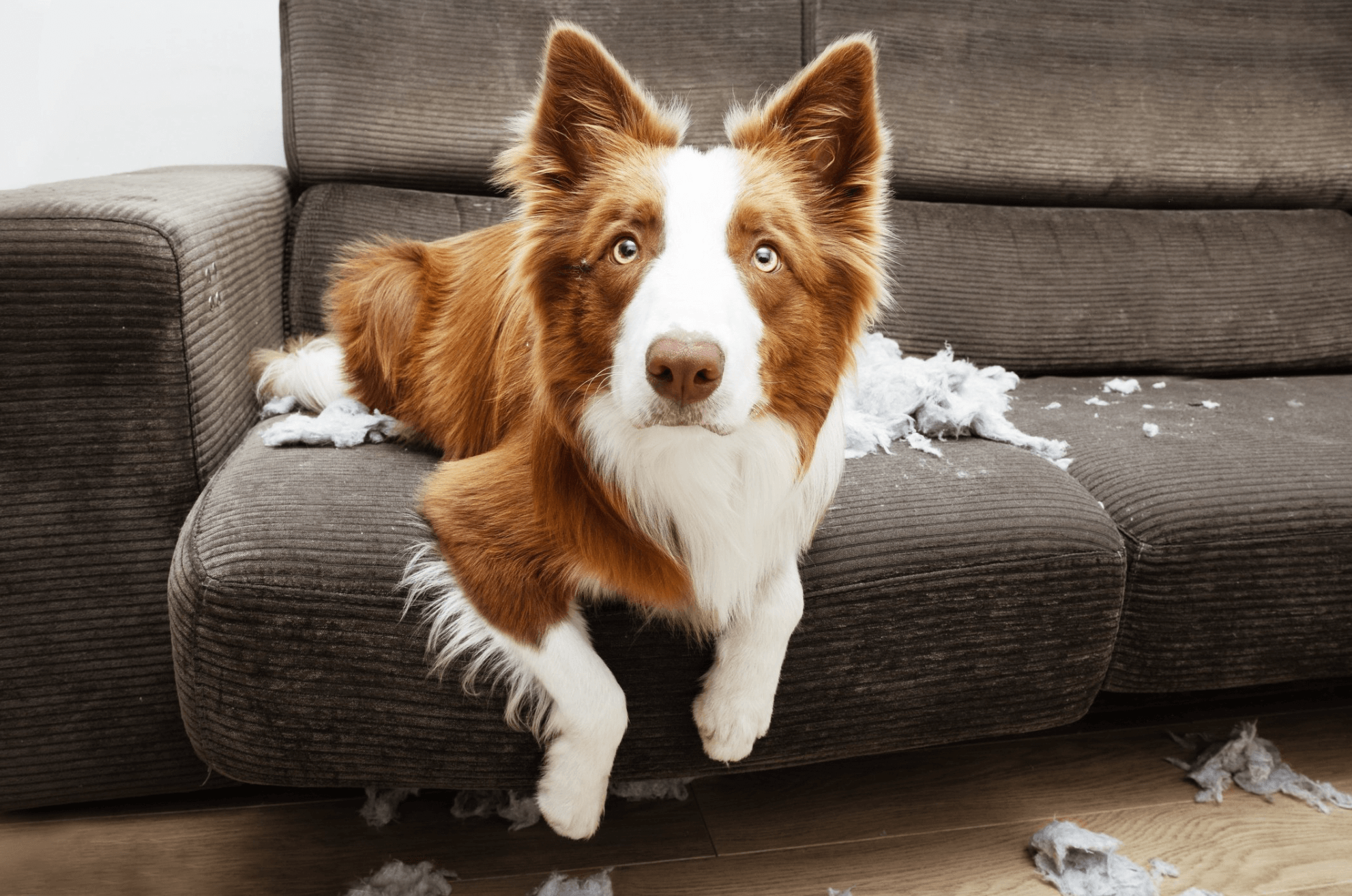
It’s much easier to prevent separation anxiety than to treat it once it develops. Start the day your new puppy or rescue dog comes home—and continue whenever routines or environments change. Dogs who get constant attention early on may struggle when left alone, so building independence from the start keeps them calm, confident, and content.
Five Key Steps:
Gradual Alone-Time Training: Begin with a few seconds and slowly increase as your dog stays relaxed.
Predictable Goodbye Cues: Use a calm phrase like “back soon” and avoid emotional farewells.
Regular Confinement Training: Short sessions in a crate, playpen, or gated area to practice low-stress separation while you remain at home.
High-Value Enrichment: Reserve food puzzles, stuffed Kongs, or lick mats for downtime training with you nearby.
Balanced Daily Routine: Combine exercise, play, and mental stimulation to reduce restlessness.
Consistently practicing these strategies helps your dog feel secure when alone and prevents separation anxiety before it starts.

3 Puppy Training Shortcuts You Can Do Everyday
Puppy training tips from a Los Angeles dog trainer: Puppy training can start as soon as you bring your pup home and can be as simple as taking a few minutes at mealtimes to create positive associations with your pup’s name, a slap to your thigh, and a pointed finger.

5 Biggest Puppy Training Mistakes and How to Avoid Them
Puppy training requires structure, consistency, and patience. Get a professional dog trainer’s 5 top puppy training tips and mistakes to avoid when bringing a new puppy home. Being prepared from the start is the key to successful puppy training!

How to Safely Socialize Your Puppy Before Full Vaccination
Puppy Training Tips: How to Socialize Your Puppy Before They’re Fully Vaccinated
Socialization is how you help your puppy build positive associations with the world around them during their critical early development stage—between 4 and 16 weeks of age. But if your puppy hasn’t had all their shots yet, how can you safely expose them to new people, sounds, and environments? We’ll show you how.

Dog Training Games: How to Play Hide & Seek to Improve Your Dog’s Recall
At Dog Savvy, we believe dog training should be fun, easy, and effective. One of our favorite games? Hide & Seek. This simple game takes little effort but delivers big results—boosting your dog’s recall skills by creating strong, positive associations with coming when called. You can play it anytime, anywhere, and your pup will love it.
How To Train A Puppy Not To Bite
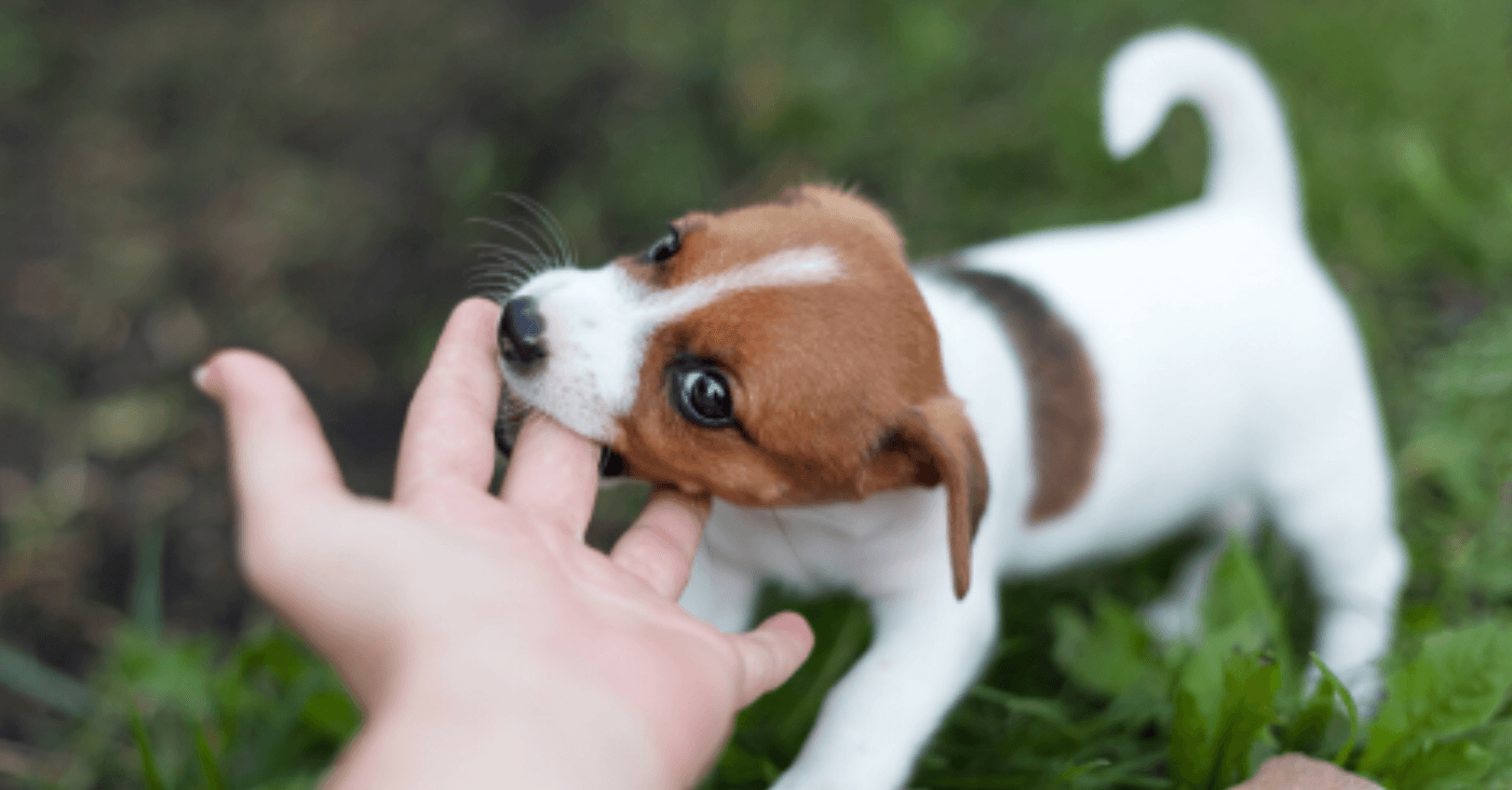
How to teach a puppy not to bite starts with consistency and positive training. The key is knowing how to respond the moment your puppy bites, so you can set clear boundaries and build respectful, gentle play habits. In this guide, you’ll learn proven techniques like redirection, chew toy training, and calm timeouts to stop puppy biting without punishment. Plus, get expert tips from a certified dog trainer to help your puppy grow into a well-mannered, bite-free companion.

How to Potty Train a Puppy Using a Crate and Playpen Setup
Not sure how to potty train your puppy? Get a professional dog trainer’s top 5 tips for how to quickly and effectively housebreak your puppy using positive methods.

Preparing for a New Puppy: 10 Essential Tips for a Smooth Transition
Planning on getting a puppy or adopting a dog from the shelter? Get some expert tips from the dog trainers at Dog Savvy Los Angeles on the best way to prepare for bringing home a new dog or puppy.