
Why Is My Puppy Crying in the Crate or When I Leave? What to Do (Without Letting Them “Cry It Out”)

If your puppy is crying in the crate, whining all night, or screaming the moment you leave the house, you’re not failing—and your puppy isn’t being “dramatic.”
Bringing home a new puppy is exciting, but when crate training turns into sleepless nights or you can’t step out the door without hearing nonstop crying, it can quickly feel overwhelming. Many puppy parents worry they’re doing something wrong or fear they’re accidentally creating separation anxiety without meaning to.
💛 Take heart: puppy crying in the crate or when left alone is extremely common, especially between 8 weeks and 6 months of age. Most puppies protest being alone, confined, or separated from their new person at first. The key is understanding why your puppy is crying—and responding in a way that builds confidence and emotional safety instead of fear.
If you’re searching for answers and would like professional guidance from a certified private puppy trainer, we can visit you in your home in Salt Lake City or meet with you online for puppy training on Zoom. Crate crying and distress when left alone are some of the most common concerns puppy parents reach out about—especially for those living in apartments, townhomes, or busy households. The good news is that with the right, gentle approach, most puppies can learn to feel calm and secure in a crate and when alone.
Puppy Crying in the Crate or When Left Alone Is Common—But It’s Telling You Something Important
Crying is your puppy’s primary way to communicate distress. It doesn’t mean they’re stubborn, spoiled, or trying to manipulate you.
When a puppy cries in the crate or when left alone, they’re usually communicating one of two things:
“This feels scary or unfamiliar.”
“I don’t yet know how to be alone.”
Ignoring these signals too often—or too early—can increase anxiety rather than teach independence.
Why Puppies Cry in the Crate (Especially at Night or During the Day)
1. Sudden isolation feels unsafe
Puppies are biologically wired to stay close to their caregivers. Being placed alone in a crate—especially in a new home—can trigger panic, not defiance.
2. The crate isn’t yet a safe, positive space
A crate must be learned as a place of comfort. If your puppy is placed inside before feeling safe or relaxed, crying is a predictable response.
3. Age matters
Young puppies, particularly those under 16 weeks, are not emotionally equipped to self-soothe for long periods. Expecting them to “figure it out” can overwhelm their nervous system.
4. Overtired vs. under-stimulated
An overtired puppy may cry just as much as an under-exercised one. More exercise doesn’t always solve crate crying—and in some cases, it can make things worse.
Why Puppies Cry When Left Alone (Even If They’re Fine at Night)
Many puppy parents are confused when their puppy sleeps quietly in the crate at night but cries intensely during the day.
Here’s why:
Daytime absences feel different
At night, puppies expect rest and often know you’re nearby. During the day, departures are sudden, unpredictable, and emotionally harder to process.
Your presence equals safety
For puppies, being alone doesn’t feel neutral—it can feel dangerous. Crying when you leave is a proximity-seeking response, not bad behavior.
Exercise alone doesn’t fix separation distress
A tired puppy can still panic when left alone. Anxiety is emotional, not physical.
Puppy Crying in the Crate vs. Separation Anxiety: How to Tell the Difference
Not all crate crying is separation anxiety—but some puppies are showing early warning signs.
Signs of normal puppy adjustment crying
Crying decreases within minutes
Puppy settles with consistency
No panic behaviors such as excessive drooling, frantic scratching, or destruction
Signs your puppy may be developing separation anxiety
Crying escalates instead of calming down
Attempts to escape the crate or confinement area
Excessive drooling, pacing, or destruction
Distress occurs every time you leave
Early support can prevent lifelong separation anxiety—this is where timing matters most.
Should You Ignore a Puppy Crying in the Crate? (The Truth About “Cry It Out”)
This is one of the most searched—and misunderstood—questions.
When ignoring crying might be okay
Very brief, mild protest
Puppy quickly settles
No signs of panic or distress
When ignoring crying can backfire
Prolonged or escalating crying
Panic behaviors
Puppies under 4–5 months of age
Puppies already struggling with being alone
Letting a distressed puppy “cry it out” doesn’t teach independence—it teaches helplessness.
What to Do If Your Puppy Cries in the Crate or When Left Alone
1. Create a safe confinement setup
Sometimes a playpen or puppy-proofed area feels safer than a crate alone. The goal is calm, not containment.
2. Teach calm alone time gradually
Alone time should be introduced in seconds and minutes—not hours. Confidence is built through repeated success.
3. Build positive crate associations
Feed meals, offer long-lasting chews, and practice short rest periods without closing the door at first.
4. Focus on emotional regulation
Your puppy needs to learn how to settle—not just how to stay quiet.
This approach forms the foundation of effective puppy crate training and puppy separation anxiety training, whether you’re working with a trainer in person or through an online program.
How to Prevent Puppy Separation Anxiety Before It Starts
Many well-meaning puppy parents accidentally push independence too early.
What puppies actually need first
Safety
Predictability
Emotional support
True independence comes after security—not before it.
Early, gentle training during the critical socialization window (8–16 weeks) can dramatically reduce the risk of separation anxiety later in life.
When Crate Crying Isn’t Improving: How Professional Support Can Help
If your puppy’s crying is intense, worsening, or interfering with daily life, it may be time for support from a certified puppy trainer experienced in separation anxiety, either in Salt Lake City or online.
Professional support can help you:
Identify the root cause of the crying
Create a customized, humane training plan
Prevent long-term anxiety issues
You don’t have to navigate this alone—and your puppy doesn’t have to struggle.
Puppy Crying in the Crate or When Left Alone: FAQs
How long does crate crying last?
For most puppies, crying improves within days or weeks with the right approach.
Is it okay to comfort my puppy?
Yes. Comfort does not create dependency—it creates safety.
Can crate training cause separation anxiety?
Poorly timed or forced crate training can contribute to anxiety in sensitive puppies.
Why does my puppy cry even after exercise?
Because anxiety isn’t about energy—it’s about emotion.
💛 Final Thought
If your puppy is crying in the crate or when left alone, it doesn’t mean you’re doing something wrong. It means your puppy needs help learning how to feel safe.
And that’s something you can teach—gently, effectively, and without tears.
If the crying feels intense, constant, or isn’t improving, early support can prevent long-term separation anxiety. Dog Savvy Positive Dog Training offers gentle, science-based puppy training in Salt Lake City and online, focused on helping puppies feel calm, secure, and confident when alone.
Book a free consultation to talk with a trainer about your puppy and start building comfort in the crate—and independence when left alone.
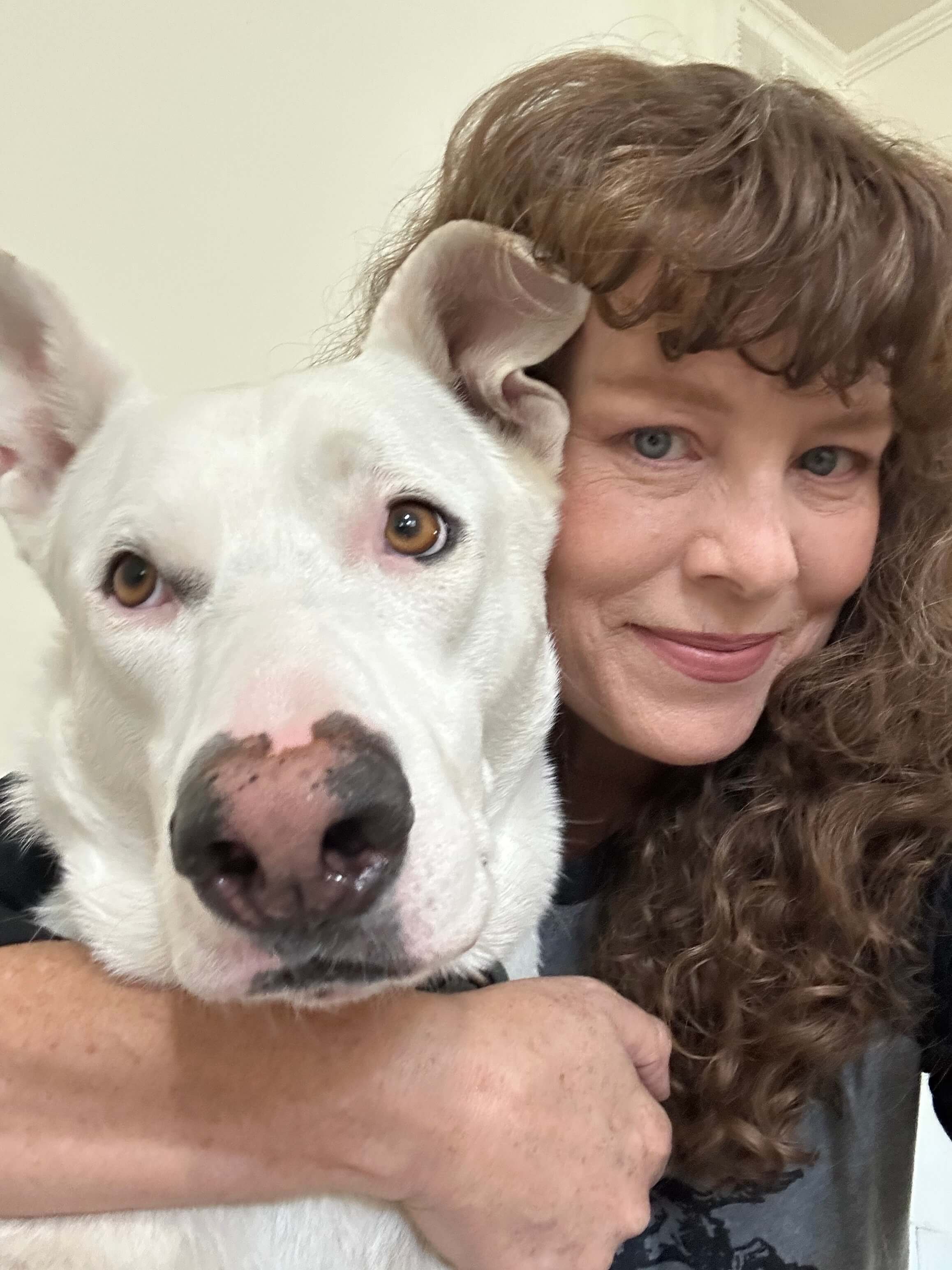
About the Author: Certified Dog Trainer, Alexandra Bassett
Alexandra Bassett, CPDT-KA, is the founder and head trainer at Dog Savvy, a private dog and puppy training company in Salt Lake City, Utah. She specializes in positive, game-based training and behavior modification for issues such as separation anxiety, leash reactivity, excessive barking, and aggression. Alexandra offers private in-home dog training in Salt Lake City as well as online training sessions via Zoom for pet owners across Utah and beyond.
Want help with your dog’s behavior today? Book a free consultation to get a personalized training plan and expert guidance from a certified Salt Lake City dog trainer.