Why Positive Reinforcement Trainers Use the Word “Cue” Instead of “Command”
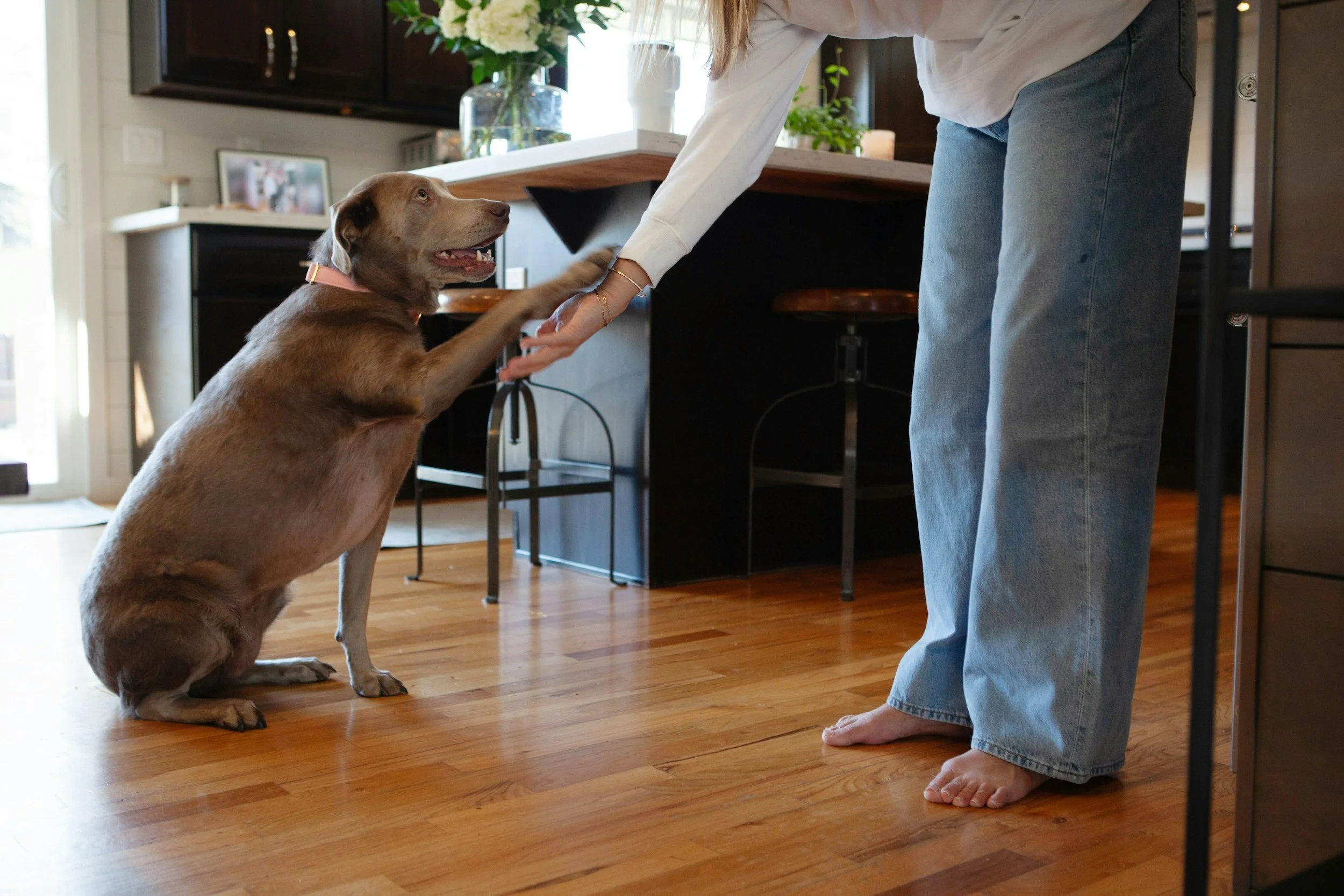
At first glance, it might seem like semantics—but the language we use in dog training reflects a completely different philosophy.
When positive reinforcement trainers choose the word cue instead of command, it’s not just a preference in wording. It’s a reflection of how we view dogs, how they learn, and the kind of relationship we want to build with them.
Command vs. Cue: What’s the Difference?
In traditional training, the word command implies that the dog is expected to comply—often regardless of how they’re feeling or what’s happening in their environment. The focus is on obedience first, sometimes relying on force or intimidation to achieve it, including the use of aversive tools like prong collars and e-collars.
In positive reinforcement training, we take a different approach.
We use the word cue because it more accurately reflects what’s happening from the dog’s perspective. A cue isn’t a demand—it’s information. It tells the dog:
“If you perform this behavior right now, there’s an opportunity to earn something you value.”
Why This Shift Matters
That “something of value” might be a treat, a toy, praise, or access to something your dog wants—like going outside, greeting a person, or continuing play.
In that sense, a cue becomes a predictor of good things, not something to avoid or feel conflicted about.
And that distinction matters more than people think.
When a dog understands that responding to a cue leads to positive outcomes, they become an active participant in the training process. They’re not just complying to avoid pressure—they’re choosing to engage because it works in their favor.
How It Impacts Learning and Behavior
This shift in mindset has a powerful impact.
Dogs trained with clear, consistent cues and meaningful reinforcement tend to be:
More motivated
More focused
More confident
They’re not shutting down or second-guessing. They’re thinking, learning, and offering behavior willingly.
It Changes the Relationship, Too
This approach doesn’t just change behavior—it transforms your relationship with your dog.
Instead of seeing you as someone unpredictable or controlling, your dog begins to see you as a source of clarity and good things. That builds trust.
And trust—not fear—is what makes behavior reliable.
When a Dog Doesn’t Respond
Of course, cues don’t become meaningful overnight. Dogs need repetition, consistency, and practice in different environments to fully understand what’s being asked.
If your dog doesn’t respond to a cue, it’s not defiance—it’s information.
It usually means:
The behavior isn’t fully learned yet
The environment is too distracting
The reinforcement isn’t valuable enough in that moment
When you look at it this way, training becomes less about making your dog listen and more about setting them up to succeed.
Final Thoughts
So while cue and command might seem interchangeable, they represent two very different mindsets:
One is focused on control and intimidation.
The other is centered on communication and building motivation through rewards.
And in the long run, using rewards doesn’t just teach a dog what to do—it makes them want to do it.
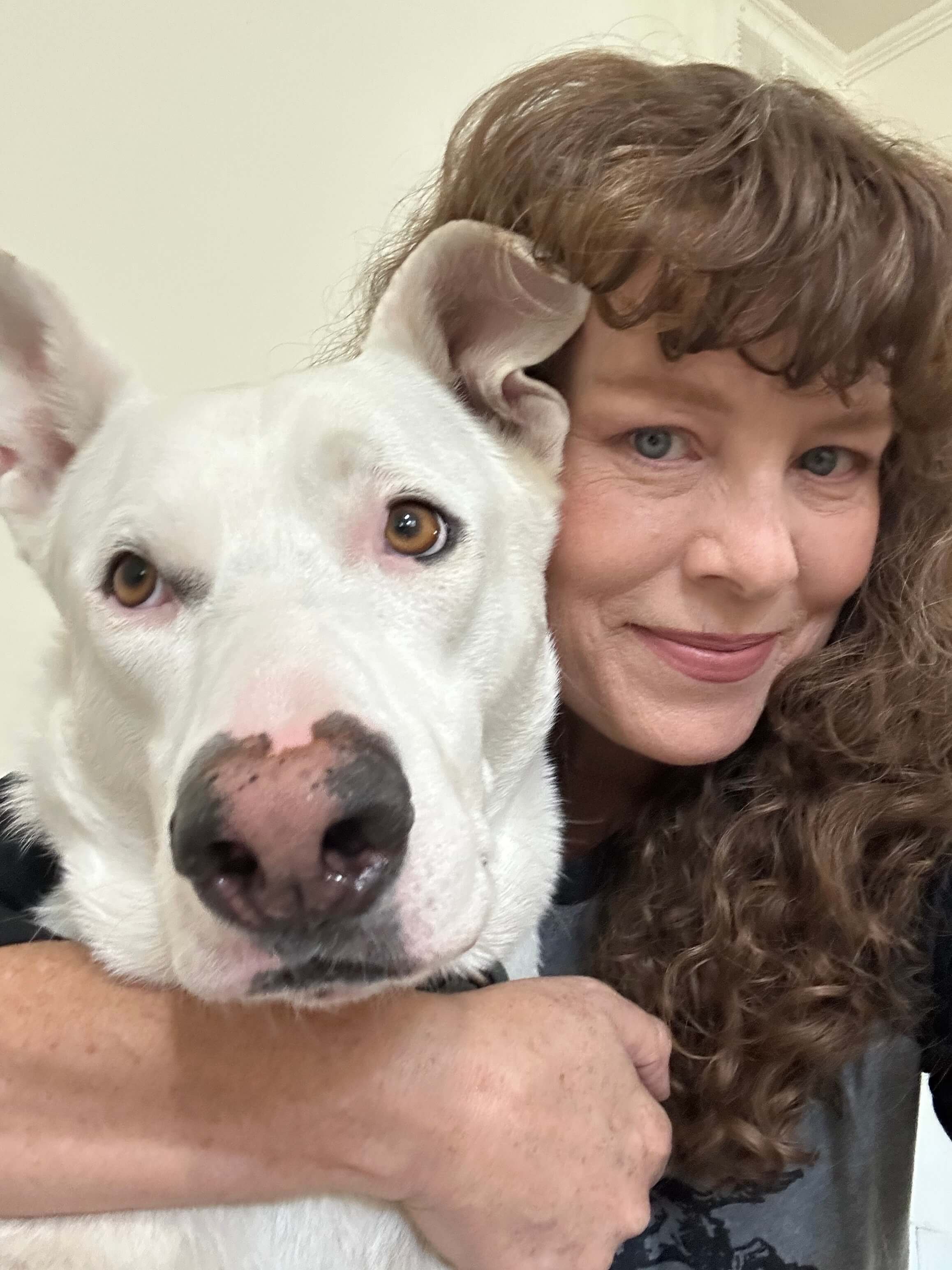
About the Author: Certified Dog Trainer, Alexandra Bassett
Alexandra Bassett, CPDT-KA, is the founder and head trainer at Dog Savvy, a private dog and puppy training company in Salt Lake City, Utah. She specializes in positive, game-based training and behavior modification for issues such as separation anxiety, leash reactivity, excessive barking, and aggression. Alexandra offers private in-home dog training in Salt Lake City as well as online training sessions via Zoom for pet owners across Utah and beyond.
Want help with your dog’s behavior today? Book a free consultation to get a personalized training plan and expert guidance from a certified Salt Lake City dog trainer.