

Welcome to Our Blog
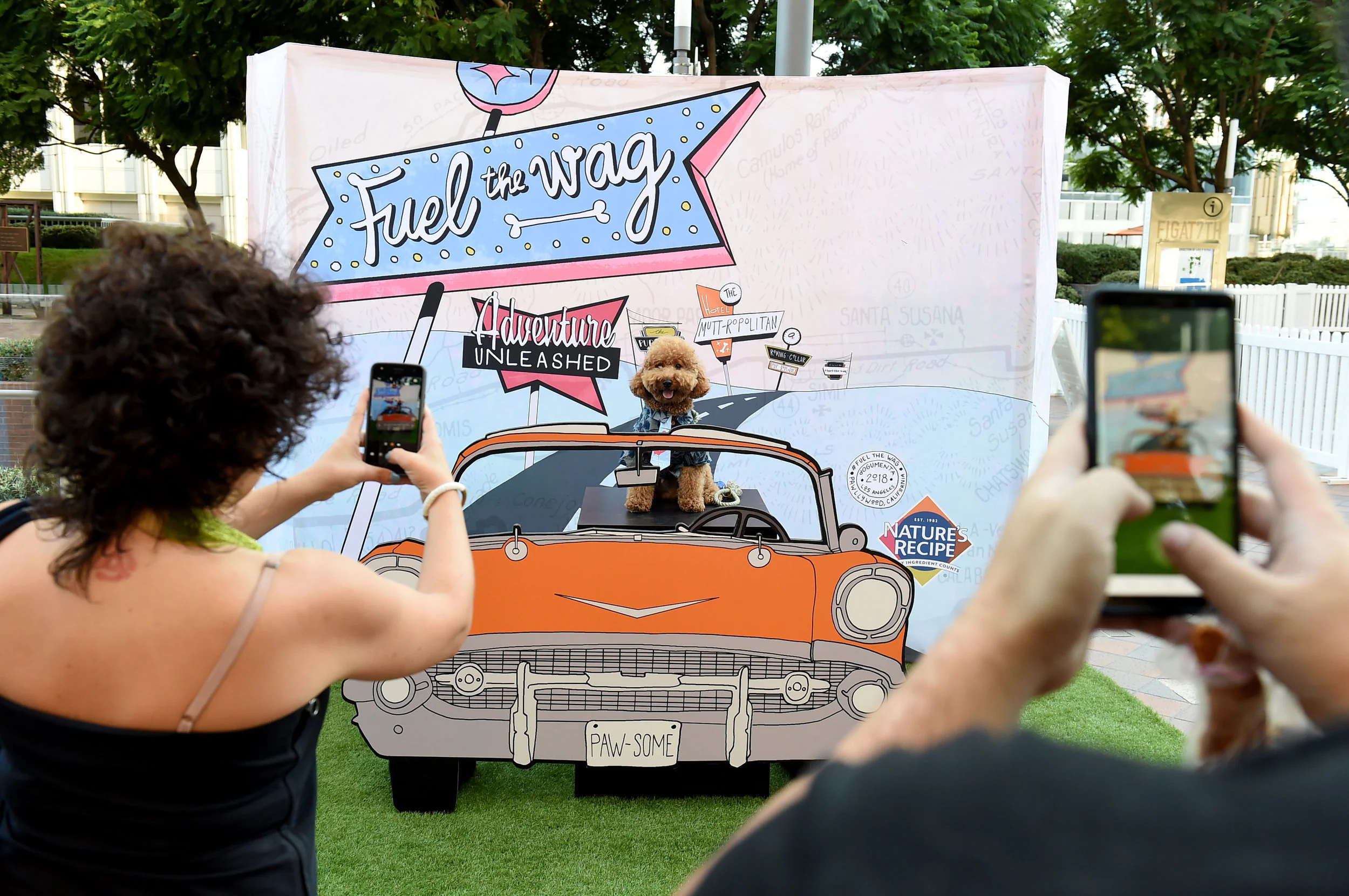
Dogumenta L.A. - America's First Art Show For Dogs
Dog lovers get ready: America’s first art exhibition for dogs, dOGUMENTA, debuts at FIGat7th in DTLA this September!

3 Puppy Training Shortcuts You Can Do Everyday
Puppy training tips from a Los Angeles dog trainer: Puppy training can start as soon as you bring your pup home and can be as simple as taking a few minutes at mealtimes to create positive associations with your pup’s name, a slap to your thigh, and a pointed finger.

How To Prepare Your Dog For The 4th of July
Dog & Puppy Training Tips: Dogs are social creatures that benefit from being included in family activities. However, if a dog is afraid of fireworks, Independence Day can be a terrifying experience for them. To ensure the 4th of July doesn't turn into a traumatic experience for both you and your dog, it's important to have a plan for keeping your dog safe and comfortable when the fireworks go off. Here are some tips from a Los Angeles dog trainer on how to get your dog or puppy ready for Independence Day.

What is a Doodle Dog?
Doodle dogs are fast becoming the most popular dog breed in America because of their friendly nature and hypo-allergenic and low-shedding coats. There are many kinds of Doodle dog breeds of various sizes depending on the Poodle variant with which they are mixed, however the most popular are the Goldendoodle, the Labradoodle, and the Double Doodle.

5 Biggest Puppy Training Mistakes and How to Avoid Them
Puppy training requires structure, consistency, and patience. Get a professional dog trainer’s 5 top puppy training tips and mistakes to avoid when bringing a new puppy home. Being prepared from the start is the key to successful puppy training!

Dog Training: The Dominance Myth
Debunking the “Alpha Dog” Myth: Modern, Effective Dog Training Tips from a Certified Professional Dog Trainer
Leash reactive dogs—those that bark, growl, or lunge at other dogs or people while on a leash—are increasingly common in urban areas and busy cities. For years, many dog owners were taught the outdated “alpha dog” theory, which suggested that dominating your dog was the key to control.
Science-based training shows a better way. Positive, reward-based methods foster trust, communication, and cooperation, teaching dogs desirable behaviors without fear or intimidation.
By abandoning dominance-based approaches, dog owners can tackle leash reactivity, jumping, and aggression more effectively—building stronger, healthier, and more respectful bonds with their dogs.

How to Safely Socialize Your Puppy Before Full Vaccination
Puppy Training Tips: How to Socialize Your Puppy Before They’re Fully Vaccinated
Socialization is how you help your puppy build positive associations with the world around them during their critical early development stage—between 4 and 16 weeks of age. But if your puppy hasn’t had all their shots yet, how can you safely expose them to new people, sounds, and environments? We’ll show you how.

Dog Training Games: How to Play Hide & Seek to Improve Your Dog’s Recall
At Dog Savvy, we believe dog training should be fun, easy, and effective. One of our favorite games? Hide & Seek. This simple game takes little effort but delivers big results—boosting your dog’s recall skills by creating strong, positive associations with coming when called. You can play it anytime, anywhere, and your pup will love it.
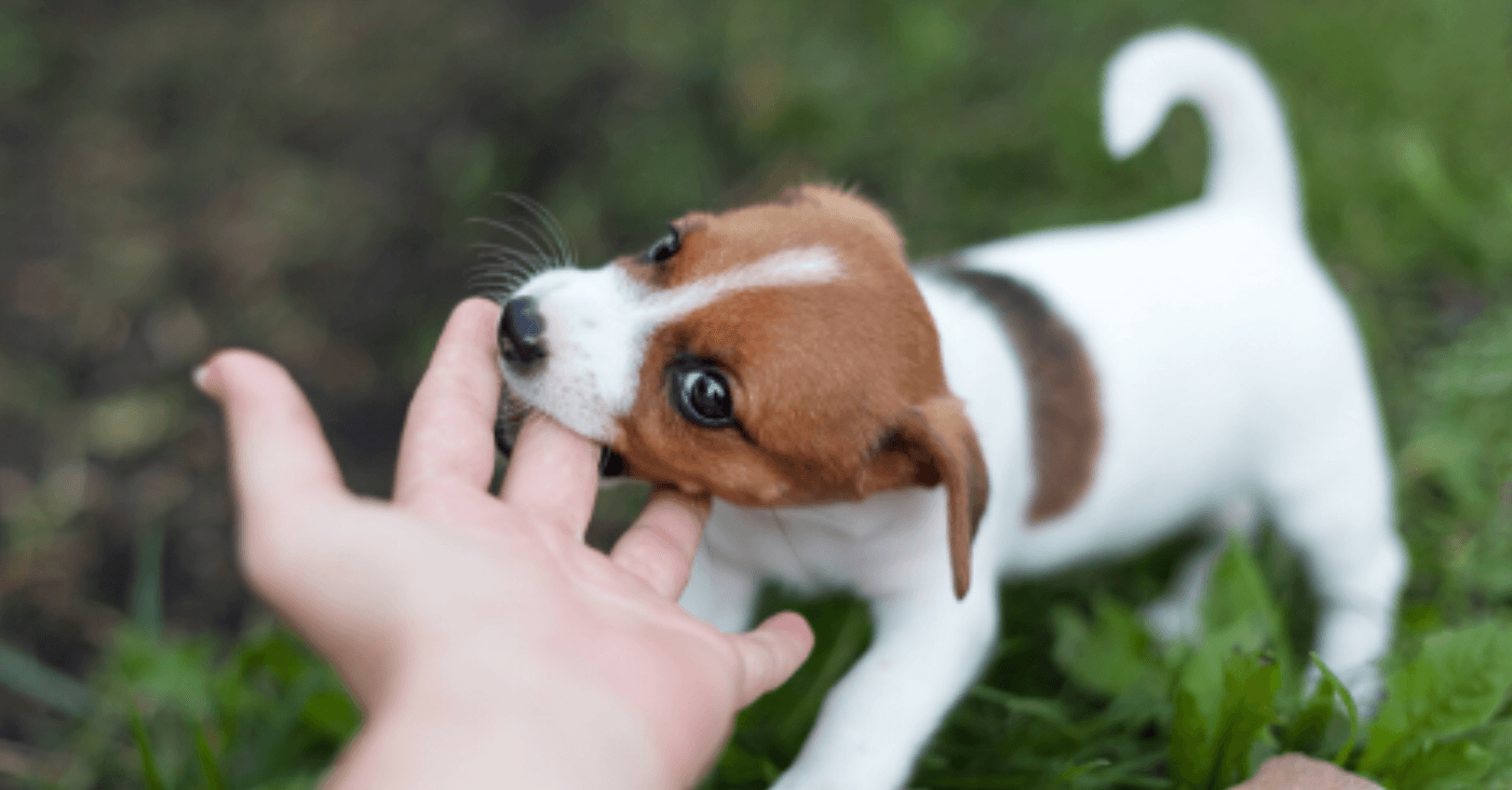
How To Train A Puppy Not To Bite
How to teach a puppy not to bite starts with consistency and positive training. The key is knowing how to respond the moment your puppy bites, so you can set clear boundaries and build respectful, gentle play habits. In this guide, you’ll learn proven techniques like redirection, chew toy training, and calm timeouts to stop puppy biting without punishment. Plus, get expert tips from a certified dog trainer to help your puppy grow into a well-mannered, bite-free companion.

How To Train A Dog NOT To Do Something
Understanding how consequences affect your dog is all you need to know to train your dog like an expert dog trainer. So how do you correct a dog using positive reinforcement dog training methods? Find that out and more on the Dog Savvy’s dog training blog ...

Calming Signals in Dogs: The Language of Peace
Dogs have a variety of ways of communicating how they feel, but humans often don't recognize the signals. Learn more about “calming signals” and how dogs communicate from a certified professional dog trainer.
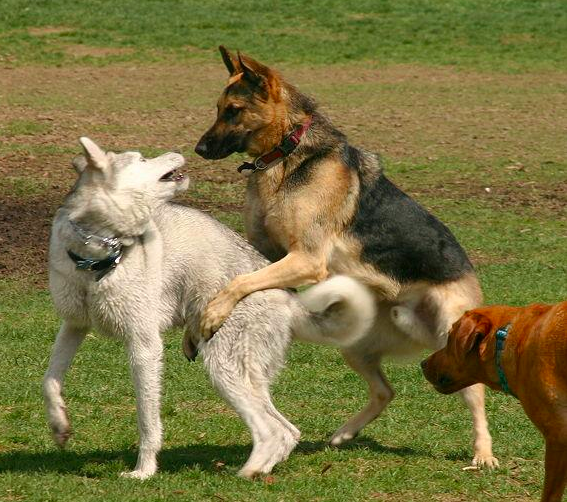
How To Avoid Dog Park Conflicts
Taking your dog to a dog park can be a fun but sometimes unpredictable experience. To make the visit enjoyable and safe, it’s helpful to do a bit of training beforehand—like teaching your dog to reliably come when called and understanding the essential do’s and don’ts for dog park safety.

How to Potty Train a Puppy Using a Crate and Playpen Setup
Not sure how to potty train your puppy? Get a professional dog trainer’s top 5 tips for how to quickly and effectively housebreak your puppy.

Dog Park Etiquette: Do's & Don'ts
Dogs were built to roam and, more than anything, love running around free. Dog parks, therefore, can be a great way to grant your lovable furball some much-desired freedom where they can blow off some steam. Here are some ways to ensure the dog park always remains a positive experience.

How to Stop a Dog from Pulling
Does your dog take you for a walk instead of the opposite? Perhaps pulling so hard that their breathing is impeded in the process? Do you dread going for a walk, as a result, not only because you don’t want to be pulled all over the place, but because it seems to be causing undue strain for your dog, as well?

What Causes Dog Anxiety?
Dog Anxiety Explained: Causes, Symptoms, and How to Help Your Anxious Dog
As more people welcome dogs into their homes, cases of dog anxiety are becoming increasingly common. But what causes anxiety in dogs, and how can you help? Understanding dog anxiety starts with learning how dogs experience the world and how their natural survival instincts can become overactivated.
In this post, we’ll break down the root causes of canine anxiety and share effective, science-based strategies to calm and support your anxious dog.
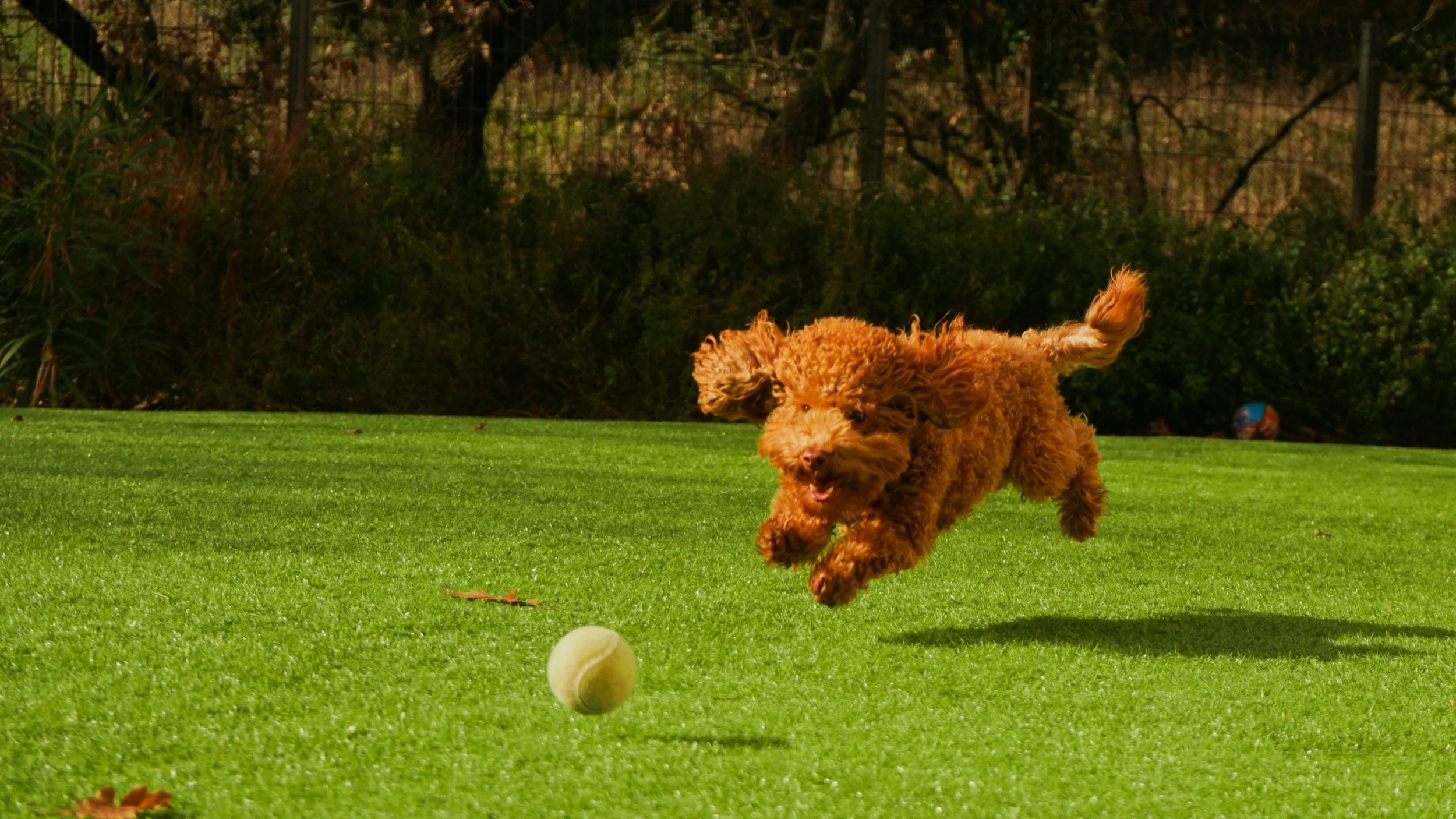
Why Won’t My Puppy Fetch?
Teaching your dog or puppy to play fetch can be a great way to bond, provide mental stimulation, and give them a healthy outlet for their energy. But what if your dog won’t fetch—or grabs the toy and refuses to bring it back?
If your dog runs after the ball but won’t return it, or plays keep-away instead of dropping the toy, you’re not alone. Many dogs love the chase but haven’t yet learned the full game of fetch—including the all-important “drop it” cue.
In this post, we’ll explore why your dog won’t fetch or drop the ball, and how to teach fetch in a way that’s fun, frustration-free, and builds your dog’s trust and engagement.

Leash Reactivity in Dogs: Why Your Dog Barks and Lunges on Walks
City walks with a reactive dog can be stressful. Leash reactivity—barking, lunging, or over-arousal—often stems from fear, frustration, or past experiences. Learn what triggers this behavior, why it happens, and expert strategies using positive reinforcement to help your dog stay calm, confident, and focused on walks.

Preparing for a New Puppy: 10 Essential Tips for a Smooth Transition
Planning on getting a puppy or adopting a dog from the shelter? Get some expert tips from the dog trainers at Dog Savvy Los Angeles on the best way to prepare for bringing home a new dog or puppy.