

Welcome to Our Blog

Your Complete Guide to Dog Adoption in 2023
Adopting a new furry friend can be a life-changing experience, and if you are not prepared, it can quickly become overwhelming, especially if it’s your first time owning a pup. Learn our top tips for finding the right canine match for your home.
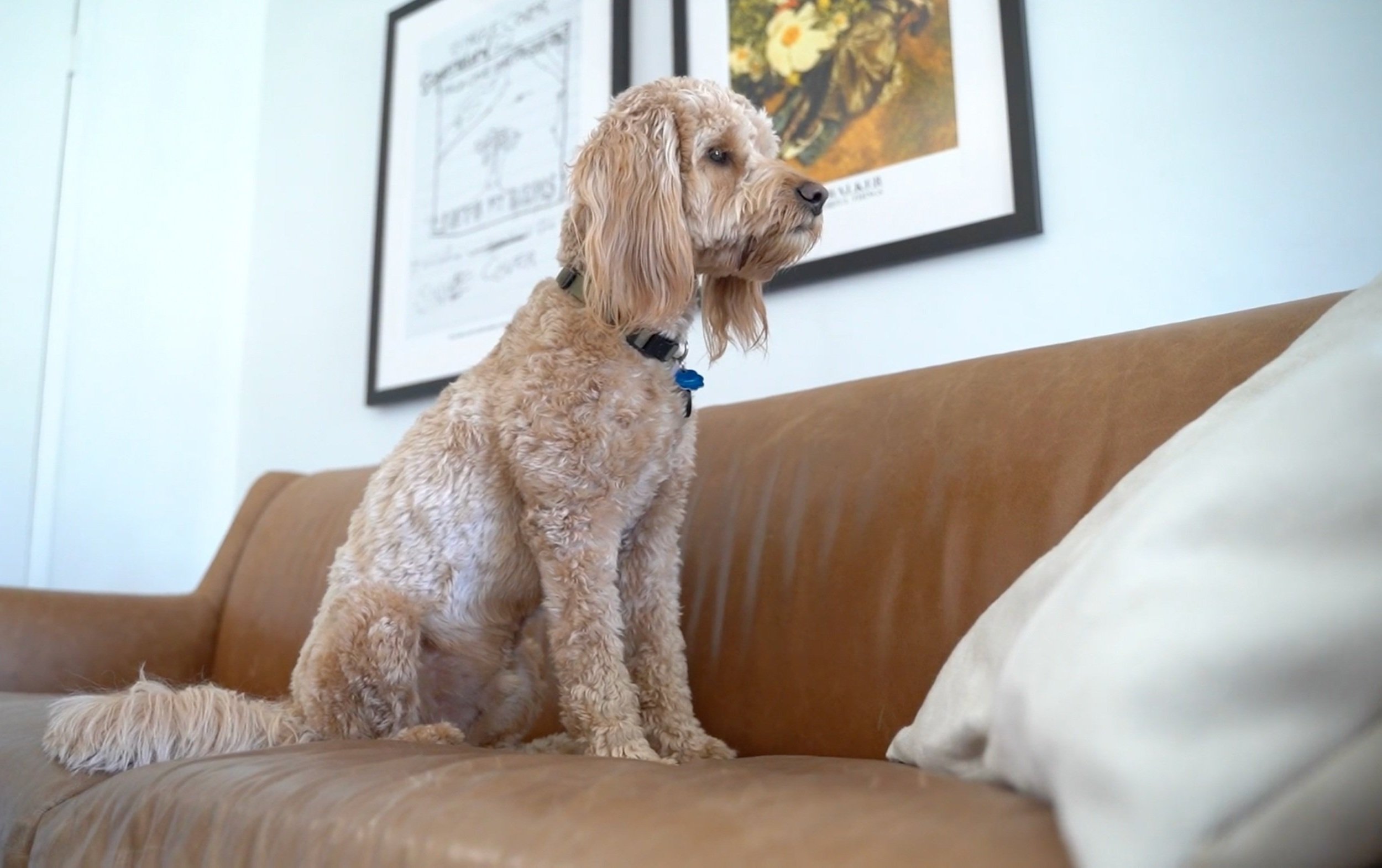
Pros And Cons of A Double Doodle Dog
Double Doodle dogs are fast becoming America’s favorite pet, find out why …

How to Work From Home with a Dog
Working from home with a dog can be a blessing and a curse. On the one hand, it gives us extra time with the dogs we love, but on the other, our dogs don’t always understand work schedules and deadlines. Balancing playtime with work can be difficult, especially if your dog is used to a high level of attention and lots of play.

9 Essential Tips for Hiking and Backpacking with Your Dog
If you are someone who loves hiking and backpacking, there’s no doubt your four-legged companion would love to join you on this journey, too. While this can be great fun for you and your dog, it’s important to consider how to do this safely, so here are nine tips to make sure your and your furry companion remain safe on the trails.
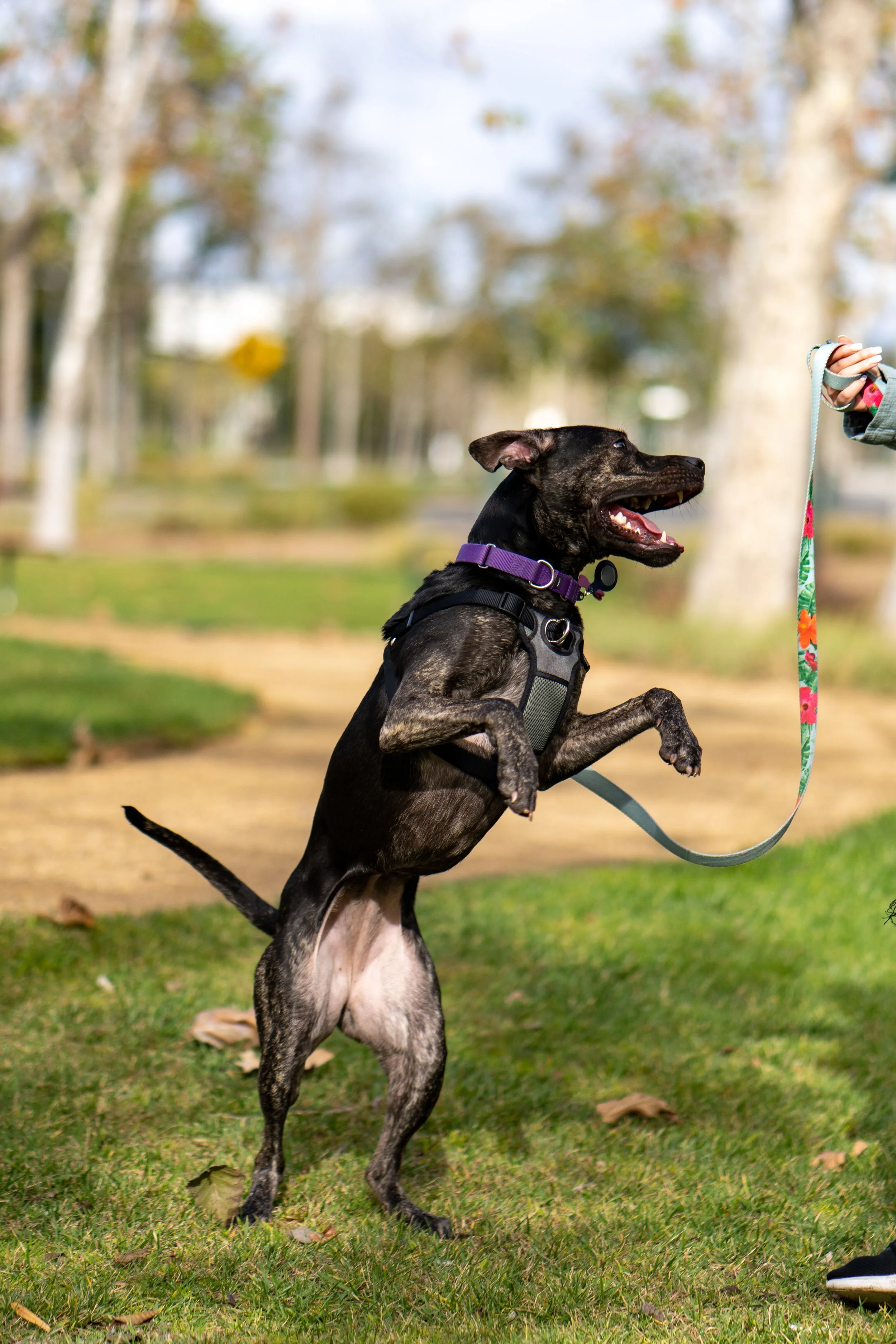
GoFundMe: Help Us Save Crackers!
Crackers is a foster rescue dog who, without YOUR help, is at risk of being euthanized at only one and half years old. Though she is a super sweet dog who loves to play and love up on anyone she meets, she has some behavioral issues that coupled with her size and strength have make it difficult for her to get adopted out.

5 Ways To Keep Your Toddler And Dog Safe Together
There's nothing cuter than toddlers and dogs together, but of course, you will be worried about their safety. Toddlers don't know where the limits are when playing with your dog, and the dog can be pushed to their limit.

The Evolution of Modern-Day Dog Training
This brief history of the evolution of modern day dog training provides readers with insight into how today’s dog training methods were developed. Our goal in reprinting this article by Dr. Mary Burch is to help you, caring pet parents, understand how the different approaches in dog training were developed and to, hopefully, choose positive methods over force-based ones.
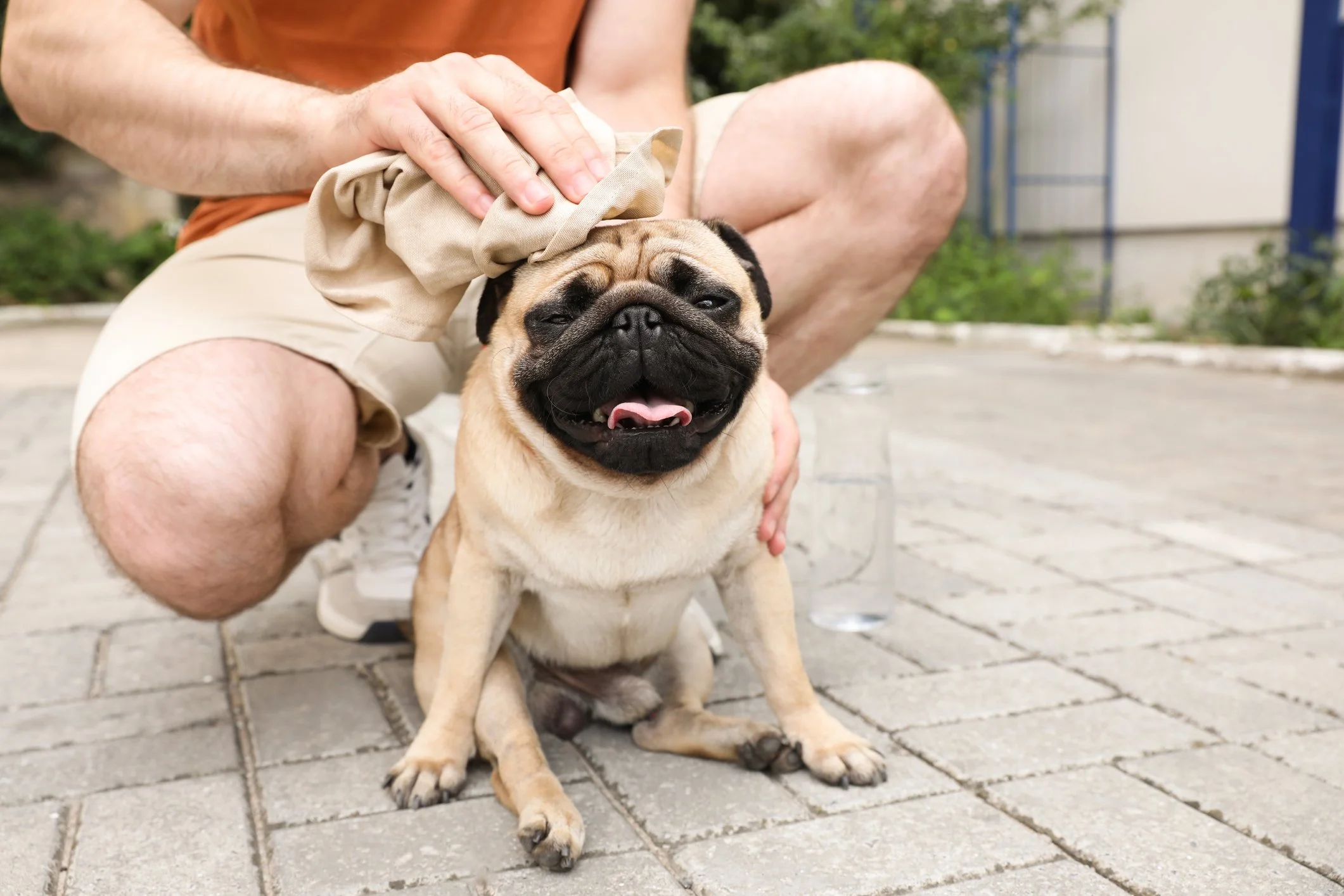
How to Prevent Heat Stroke in Dogs
Now that the hottest summer months are here, the risk of your dog getting dehydrated and overheating is extremely high. Here’s what you need to know about heat stroke in dogs, what to do if your dog seems overheated, and how to avoid your dog getting too hot in the first place.

Five Most Common Dog Digestive Issues
Digestive issues in dogs can range from minor upset stomachs to life-threatening illnesses.
Of course, you’ll always want to look after your dog and ensure as best as you can that your canine friend doesn’t experience any kind of health problems. So, you should be aware of the following five most common dog digestive issues.

How To Prevent Separation Anxiety in Dogs
It’s much easier to prevent separation anxiety than to treat it once it develops. Start the day your new puppy or rescue dog comes home—and continue whenever routines or environments change. Dogs who get constant attention early on may struggle when left alone, so building independence from the start keeps them calm, confident, and content.
Five Key Steps:
Gradual Alone-Time Training: Begin with a few seconds and slowly increase as your dog stays relaxed.
Predictable Goodbye Cues: Use a calm phrase like “back soon” and avoid emotional farewells.
Regular Confinement Training: Short sessions in a crate, playpen, or gated area to practice low-stress separation while you remain at home.
High-Value Enrichment: Reserve food puzzles, stuffed Kongs, or lick mats for downtime training with you nearby.
Balanced Daily Routine: Combine exercise, play, and mental stimulation to reduce restlessness.
Consistently practicing these strategies helps your dog feel secure when alone and prevents separation anxiety before it starts.
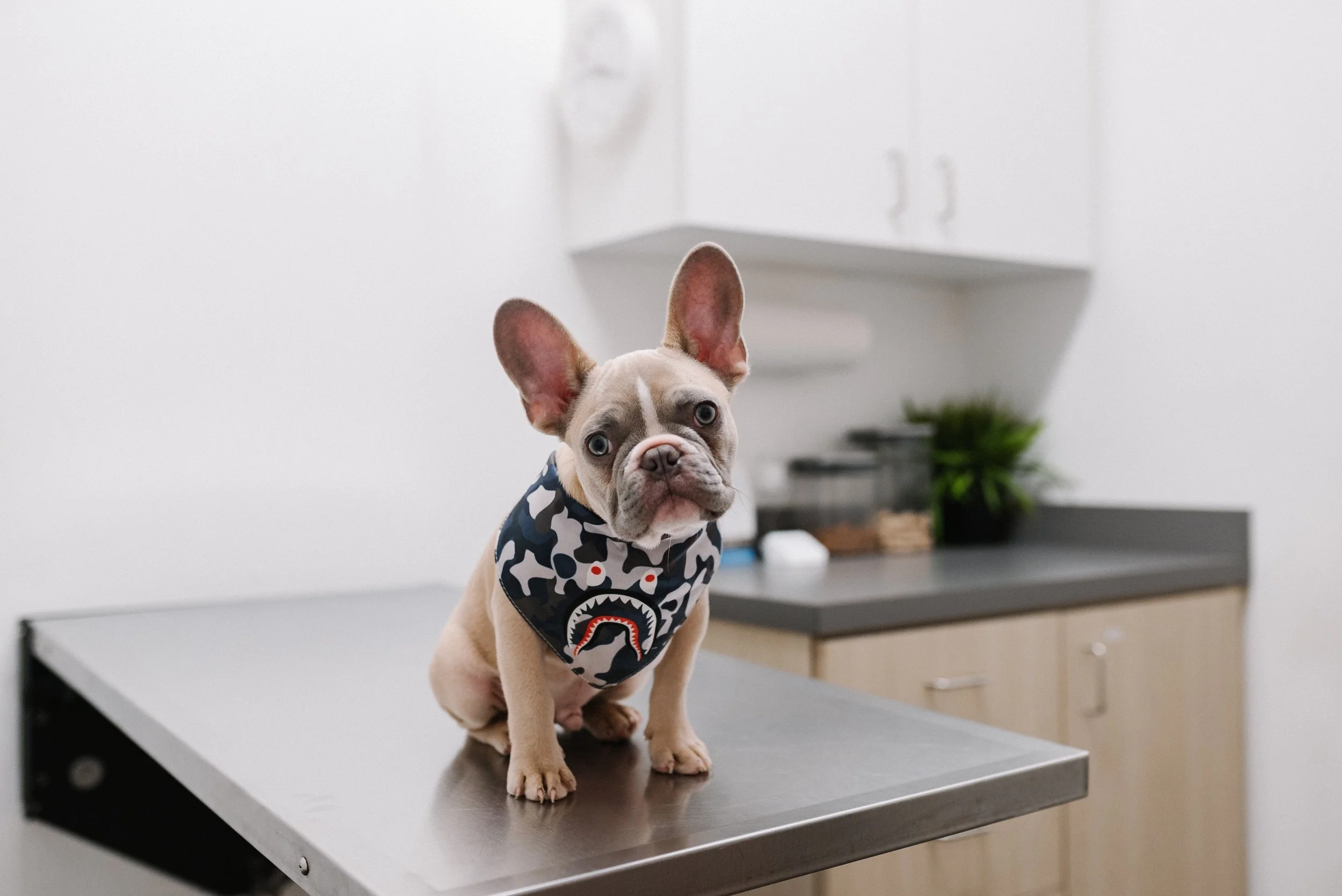
Pet Insurance: A Nose-to-Tail Exam
Excluding the cost of feeding, the single largest expense that dog owners encounter every year is typically veterinary care. We love our dogs and want to keep them healthy, of course. Depending on where you live, the cost of doing so, on average, can be about $300. And that’s just for routine exams and vaccinations.

Here's What's Wrong with the “Alpha Dog” Theory
The alpha myth is everywhere. Google “alpha dog” on the Internet and you get more than 85 million hits. Really. While not all the sites are about dominating your dog, there are literally millions of resources out there – websites, books, blogs, television shows, veterinarians, trainers and behavior professionals – instructing you to use force and intimidation to overpower your dog into submission. They say that you, the human, must be the alpha. They’re all wrong. Every single one of them.

Adopting Your First Puppy: Here’s What You Need to Know
Adopting Your First Puppy: What You Need to Know
Thinking about bringing a puppy home for the first time? Beyond their adorable faces and playful antics, adopting a puppy is a long-term commitment—often 12 to 18 years! First-time puppy parents need to consider everything from daily care and socialization to early training and establishing routines. With the right preparation and guidance, you can set your puppy up for a happy, well-behaved life from the very beginning.
Get tips from a certified professional dog trainer to help your new puppy settle in, learn good habits, and grow into a confident, well-adjusted companion.

If Your Dog Is Bored, Take Them On An Adventure
As a dog trainer who advocates for taking your dog on new adventures, one of the things I love most about living in Echo Park, Los Angeles is that it is filled to the brim with dog-friendly places to go.
So, if you have a bored dog at home, I recommend exploring the city with them whenever you can, and here are a few of my favorite, east side, dog-friendly hotspots.

How to Stop a Dog from Barking
How to Stop a Dog from Barking
Dogs and puppies bark for many different reasons—attention, boredom, fear, or excitement. The first step in reducing excessive barking is understanding why your dog is barking. Different causes of barking require different training approaches, so identifying the root reason is essential for applying effective, positive reinforcement strategies. Get expert tips from a certified professional dog trainer to help your dog bark less and be calmer.

How To Train a Dog or Puppy to Settle Down
How to Train Your Dog or Puppy to Settle Down
Doggie decompression uses gentle restraint or controlled confinement to help a dog or puppy learn to relax and settle. This technique can be an effective step in managing behaviors like hyperactivity and even separation anxiety. Learn positive, science-based strategies from a certified professional dog trainer to help your dog stay calm, confident, and comfortable when left alone or in stimulating environments.

Why Choice Is Critical In Dog Training
Dog Training Tips: Learning how your dog thinks and makes decisions is the “KEY” to getting your dog to do what you want, when you want, without the need for yelling, intimidation or constant supervision.

How to Train a Dog to Sit Using Games of Choice
Dog Training Los Angeles: It’s Your Choice (IYC) is a critical core foundation game because it sets the stage for teaching self-control over all future reinforcers (reinforcers = anything your dog likes or enjoys). It teaches our dogs that all things of value must be earned. The premise of the game is that the “work” is what earns the reward not just the presence of those rewards in the environment.

How to Train a Dog Not to Pull on Leash
Dog Trainer Alexandra Bassett demonstrates how to train a dog to walk with a loose leash, meaning that they’ve learned not to pull you in order to get where they want to go,. Leash manners are taught in incremental steps starting by teaching a dog how to respond to leash tension, know as “leash communication,” and where you want them to position themselves while walking on a leash, which can be achieved by playing stationary and moving reinforcement zone games..

Dog Separation Anxiety - Symptoms, Causes, and Training Tips
Dog separation anxiety is one of the most stressful behavior challenges for both dogs and their guardians. It occurs when a dog experiences overwhelming panic the moment they’re left alone, often leading to destructive or even dangerous behaviors. By learning to recognize the signs, understand the root causes, and apply proven treatment strategies, you can help your dog build lasting calm and confidence.
Common Symptoms of Separation Anxiety in Dogs
Barking, howling, or whining shortly after you leave
Destructive chewing, digging, or scratching at doors and windows
Pacing, drooling, or panting triggered by pre-departure cues (like grabbing keys)
House-soiling despite reliable potty training
Escape attempts that may cause injuries such as broken teeth or nails
What Causes Dog Separation Anxiety?
Pack instincts that compel a dog to follow you
Missed early independence training during puppyhood or adoption (crate or playpen training)
Sudden lifestyle changes—new job hours, moving homes, or new family members
Past trauma, including rehoming, shelter stays, or sudden abandonment
Lack of physical exercise or mental stimulation in daily life
Treatment and Prevention Strategies
Gradual desensitization and counterconditioning to reduce stress around departures
Enrichment tools like food-stuffed toys and chews to keep your dog engaged when confined
Predictable routines and calming departure cues to prevent anxiety spikes
Guidance from a certified trainer or veterinary behaviorist; medication or calming aids when recommended
A balanced daily schedule combining exercise, training, and restful downtime
By addressing separation anxiety with science-backed, positive reinforcement methods, you’ll turn stressful goodbyes into calm departures—and give your dog the confidence to thrive when home alone.